
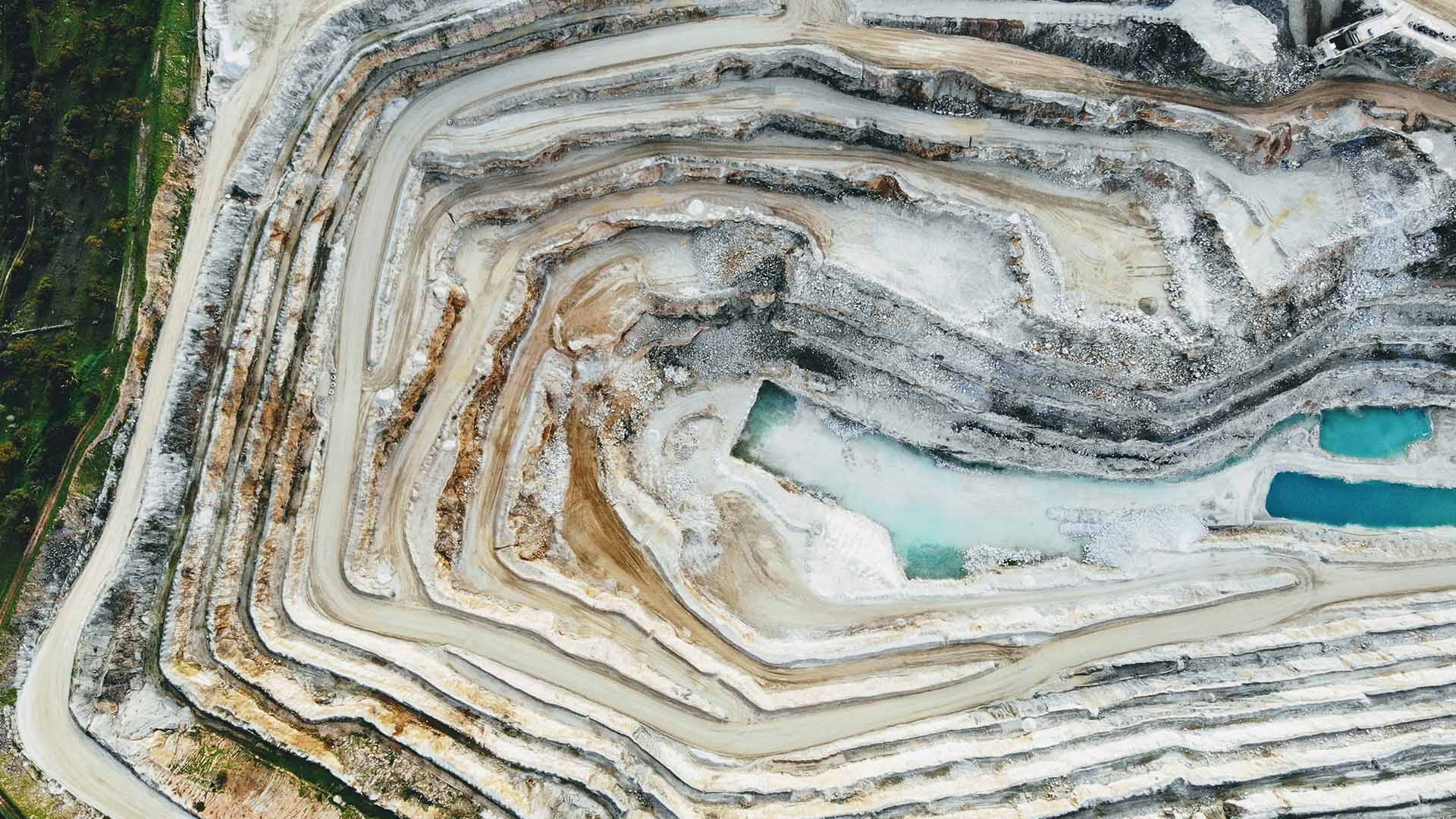
Critical minerals represent an opportunity for the mining industry, shaping the future of clean energy and digital technologies. As the global economy moves towards sustainability, the demand for critical minerals—essential for solar panels, semiconductors, wind turbines, and advanced batteries—continues to rise. Thus, mineral supply chains have become a key priority for economies, making automation and electrification indispensable in modern mining operations. Fleet management automation is at the forefront of this shift, optimizing efficiency, reducing carbon footprints, and enhancing safety standards.
Electrification and the Evolution of Mining Fleets
For decades, diesel-powered haul trucks have been the workhorses of mining operations, offering raw power and mobility. But the cracks in this traditional model are widening. Diesel engines produce harmful particulate matter and excessive heat, putting miners at risk and demanding costly ventilation systems. Operating a diesel fleet isn't just an environmental challenge—it’s an economic one. Fuel price volatility, increasing maintenance costs, and stringent emissions regulations are making diesel fleets an unsustainable choice.
Beyond underground operations, open-pit mines are also grappling with the environmental consequences of diesel emissions. Large haul trucks generate substantial CO? output, exacerbating climate concerns and contributing to poor air quality in surrounding areas. With regulatory pressures mounting, many mining companies are actively seeking alternatives to reduce their carbon footprint and ensure long-term sustainability.
From an environmental standpoint, diesel fleets contribute significantly to carbon emissions, directly conflicting with the mining industry’s push toward carbon neutrality. Regulatory bodies in Canada have responded with stringent policies, setting ventilation standards, fuel quality regulations, and emissions controls to reduce the harmful effects of diesel use in mining operations.
Transitioning to electric vehicles (EVs) addresses these issues head-on. Electric machinery reduces direct emissions, improving underground air quality and reducing the need for complex ventilation. This shift not only enhances worker health but also aligns with global sustainability goals.
A tangible example of this transition is Antofagasta Minerals' Centinela mine in Chile. In a move to combat climate change, Centinela integrated 50 electric pickup trucks and eight fully electric mining machines into their operations. These electric vehicles are deployed in the Esperanza Sur pit, which also features autonomous haulage fleets and drilling systems, marking a significant step towards a fully electrified and automated mining environment.
This evolving landscape makes electrification a compelling alternative. By integrating Electric Road Systems (ERS) and battery-electric vehicle (BEV) charging stations, mines can significantly cut fuel costs and emissions without sacrificing productivity. With the right infrastructure in place, electrification presents a clear path to achieving sustainability goals while maintaining operational efficiency.
Recent pilot studies have shown that by converting a portion of a mine’s fleet to diesel-electric and trolley-assist systems, fuel consumption can be significantly curtailed while maintaining production targets. However, scaling these initiatives requires careful analysis and predictive modeling, ensuring integration with other on-site operations while meeting daily production targets
Machine Learning and Data-Driven Fleet Optimization
Automation isn't just about replacing diesel engines with electric alternatives. Smart mining operations leverage machine-learning models to optimize fleet management, identifying the best routes, load balances, and electrification points. These models analyze:
- Road grades and haul routes to pinpoint optimal trolley-assist locations
- Truck speeds and queueing times to reduce downtime and inefficiencies
- Maintenance logs and fuel consumption trends to predict potential performance issues
Safety and Workforce Transformation
Building upon electrification, automation revolutionizes mining operations by minimizing human exposure to hazardous conditions. Automated systems, including autonomous haul trucks and remote-controlled drilling rigs, operate with precision in environments that would be perilous for human workers.
Rio Tinto's Pilbara operations in Australia exemplify this advancement. The mine employs a fleet of over 80 autonomous haul trucks, driverless trains, and remotely operated drilling systems. This extensive automation has led to increased efficiency and a notable reduction in on-site accidents, as machinery handles tasks traditionally performed by humans in high-risk areas.
AI-Powered Fleet Management: The Next Frontier
The integration of artificial intelligence (AI) into fleet management systems further propels mining into the future. AI analyzes vast amounts of operational data to optimize routes, predict maintenance needs, and enhance overall fleet performance.
Rio Tinto utilizes AI-driven platforms to monitor equipment health, predict failures before they occur, and streamline maintenance schedules. This proactive approach not only reduces downtime but also extends the lifespan of machinery, contributing to more sustainable operations.
As mines become more electrified and automated, the workforce undergoes a significant transformation. Traditional roles centered around manual labor are evolving into positions that require technological proficiency and strategic oversight.
Workers are now trained to manage and maintain advanced machinery, analyze data from AI systems, and oversee automated operations from control centers. This shift not only enhances safety—by removing personnel from hazardous environments—but also offers opportunities for skill development and career advancement in high-tech domains.
Conclusion
The mining industry is no longer just about extraction—it’s about resilience in an increasingly unpredictable world. Geopolitical instability, supply chain disruptions, and shifting regulatory landscapes are placing immense pressure on companies to future-proof their operations. The ability to automate, electrify, and integrate AI-driven fleet management is no longer just a competitive advantage; it is a necessity.
By prioritizing AI-driven fleet management, electrification, and automation, mining companies are not only safeguarding their profitability but also contributing to a greener, smarter, and more resilient industry. With strong industry support, cutting-edge technology, and a clear vision for the future, now is the time to take bold steps toward a more sustainable and forward-thinking mining sector.