
Challenge
Governments increasingly depend on geospatial information for land administration, infrastructure development, environmental management, disaster resilience, transportation, utilities, agriculture, and public services. However, spatial datasets often reside in isolated departmental systems, resulting in duplicate information, inconsistent boundaries, conflicting maps, limited interoperability, and repeated investments in data creation. The absence of a trusted, standardized spatial data ecosystem makes cross-agency collaboration difficult, slows decision-making, and reduces the effectiveness of digital government initiatives.
Solution
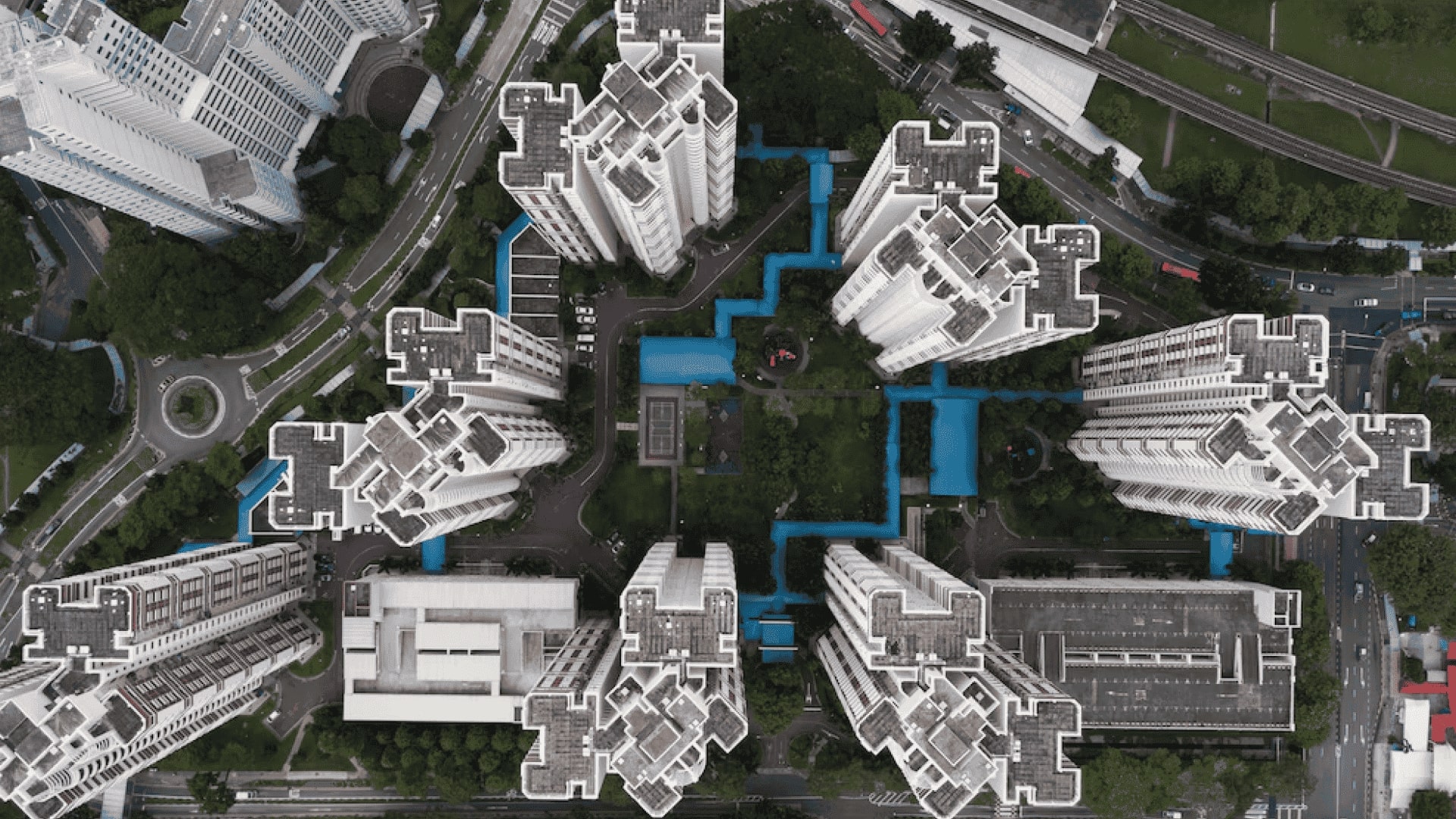
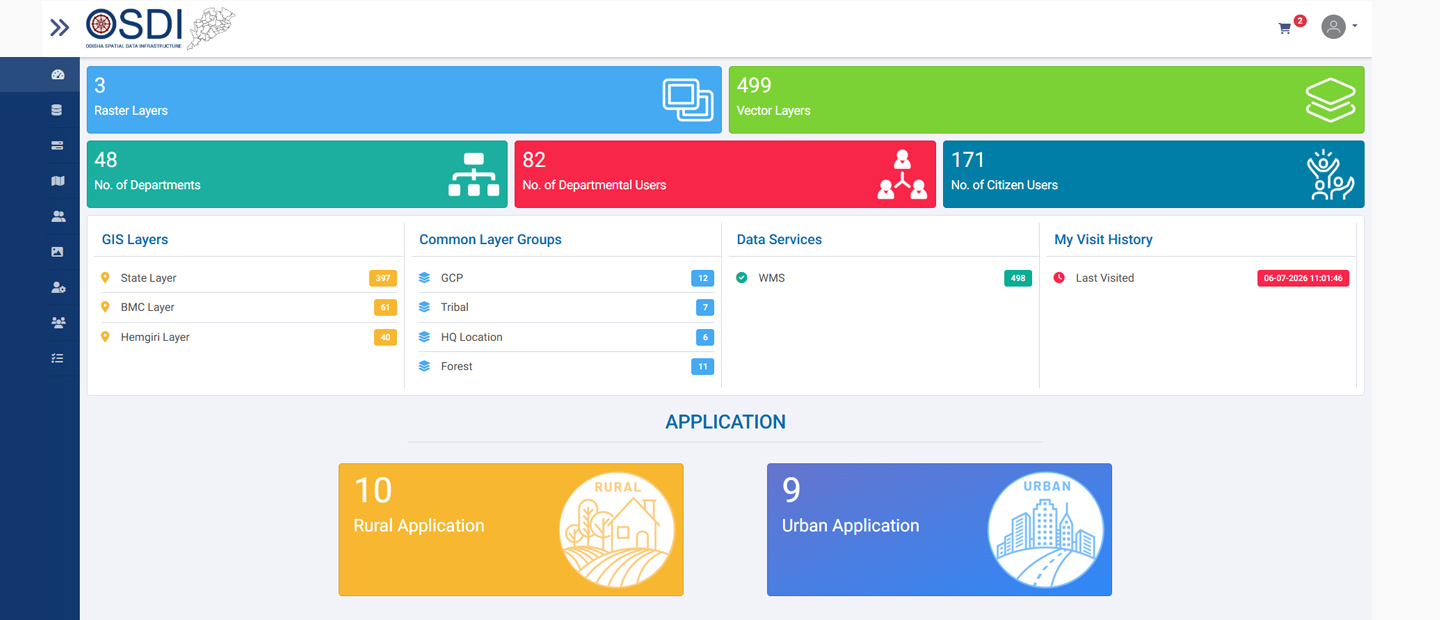
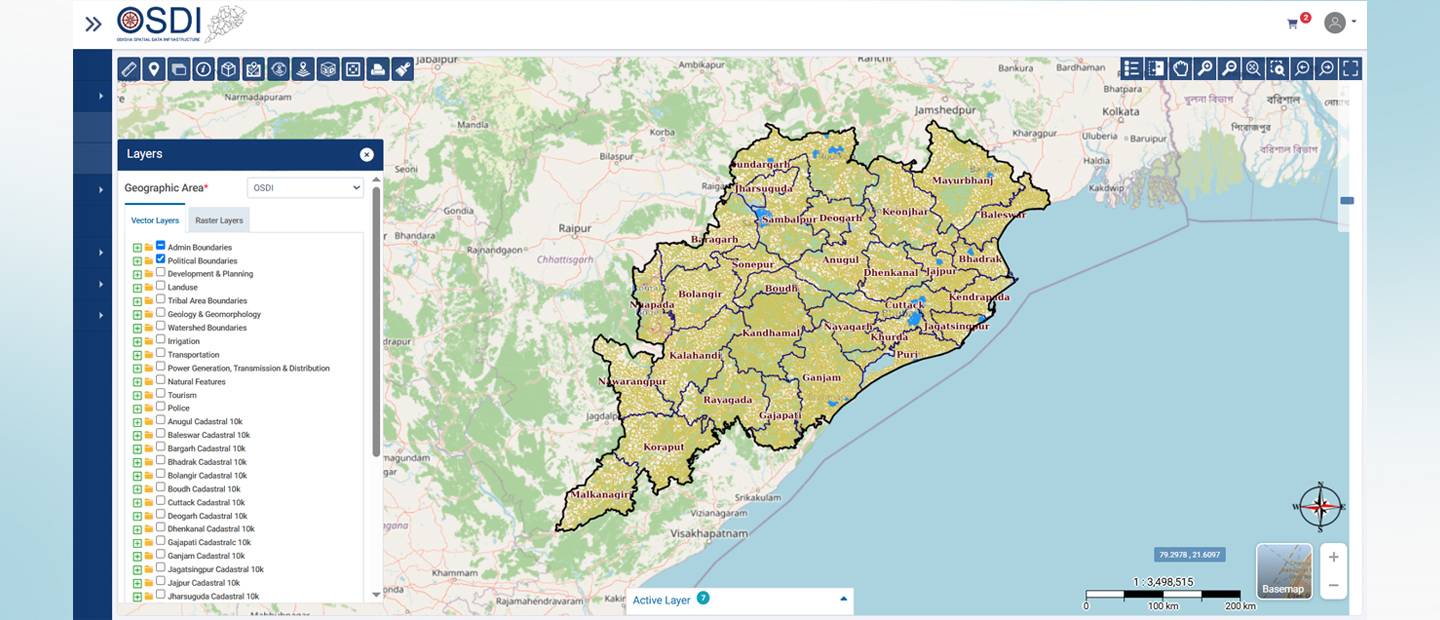
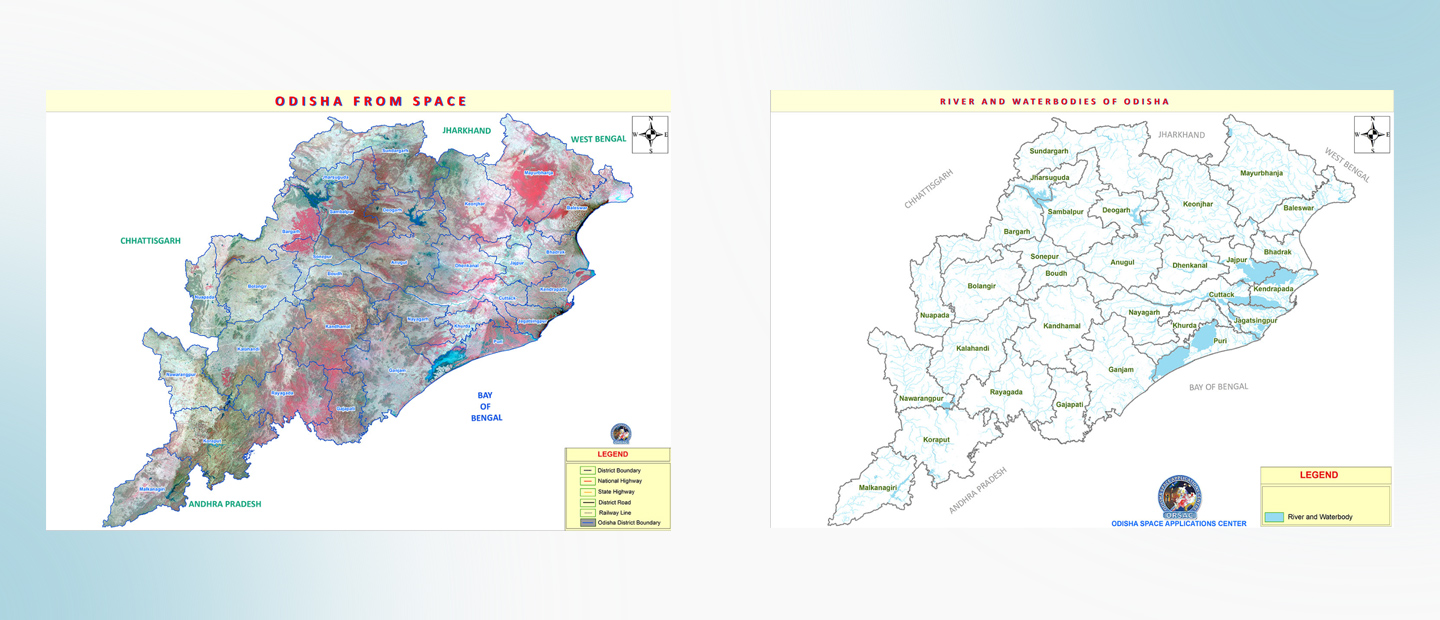
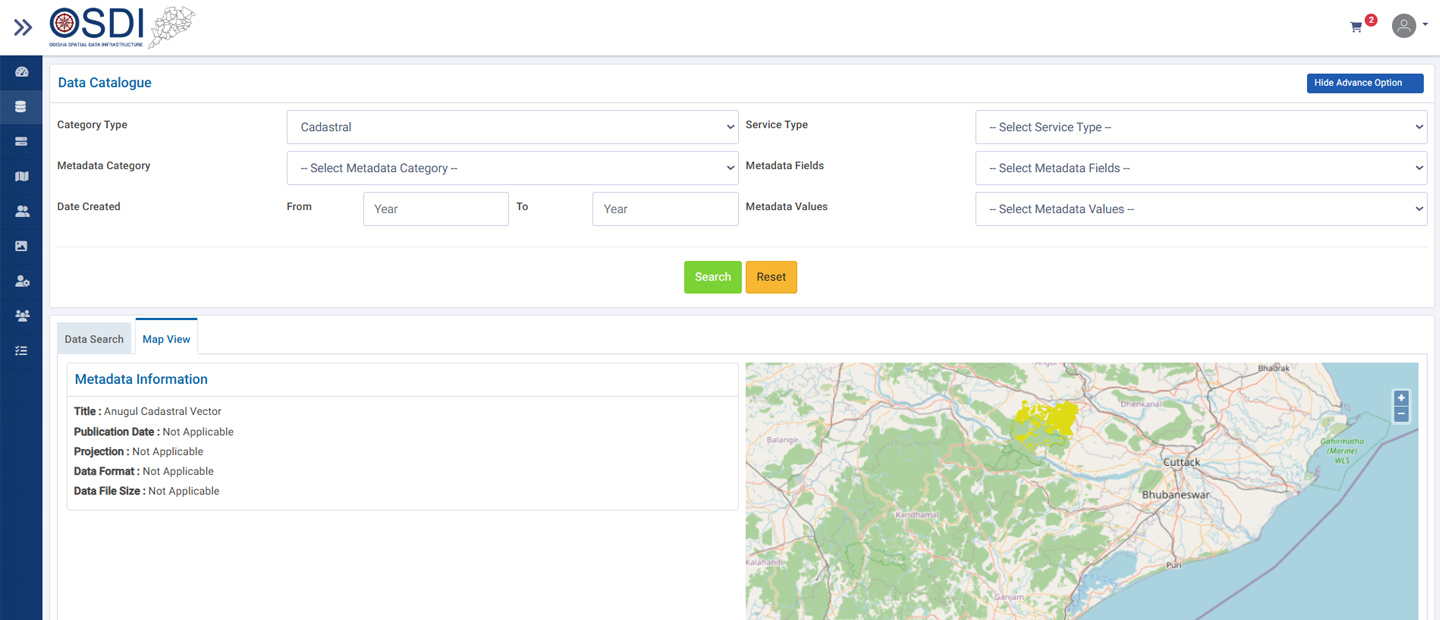
SPARC designed and implemented the Odisha Geo Hub, a statewide Spatial Data Infrastructure (SDI) serving as the authoritative geospatial backbone for government. Built on international geospatial standards, the platform integrates more than 250 curated geospatial datasets spanning land, infrastructure, transportation, utilities, natural resources, environmental assets, and administrative boundaries into a unified, version-controlled repository. High-precision geodetic control, aerial photogrammetry, LiDAR, satellite imagery, and enterprise GIS technologies establish a consistent spatial reference framework, while shared analytics services and API-based data delivery enable multiple departments to consume the same trusted information without duplicating datasets. The platform supports secure metadata management, role-based access, audit trails, enterprise APIs, and reusable geospatial services that accelerate the development of citizen-facing and departmental applications.
Outcome
The Geo Hub has transformed fragmented spatial information into a shared digital public asset that powers evidence-based governance across urban and rural sectors. It has significantly improved interdepartmental collaboration, reduced duplication of geospatial investments, accelerated project planning and regulatory approvals, and strengthened transparency through standardized, authoritative data. By providing reusable geospatial services, analytics, and secure APIs, the platform enables rapid deployment of applications for land administration, infrastructure, forestry, mining, agriculture, disaster management, utilities, and smart cities. The scalable architecture demonstrates how a modern Spatial Data Infrastructure can become the geospatial foundation for digital government, sustainable development, and innovation.