

Challenge
Forest degradation threatens biodiversity, watershed health, carbon storage, and the livelihoods of forest-dependent communities. Restoring degraded landscapes requires accurate information on vegetation condition, terrain, soils, water resources, and ecological suitability. Conventional planning methods often rely on fragmented datasets and manual assessments, making it difficult to prioritize restoration investments, monitor implementation, and demonstrate measurable environmental outcomes to funding agencies and policymakers.
Solution
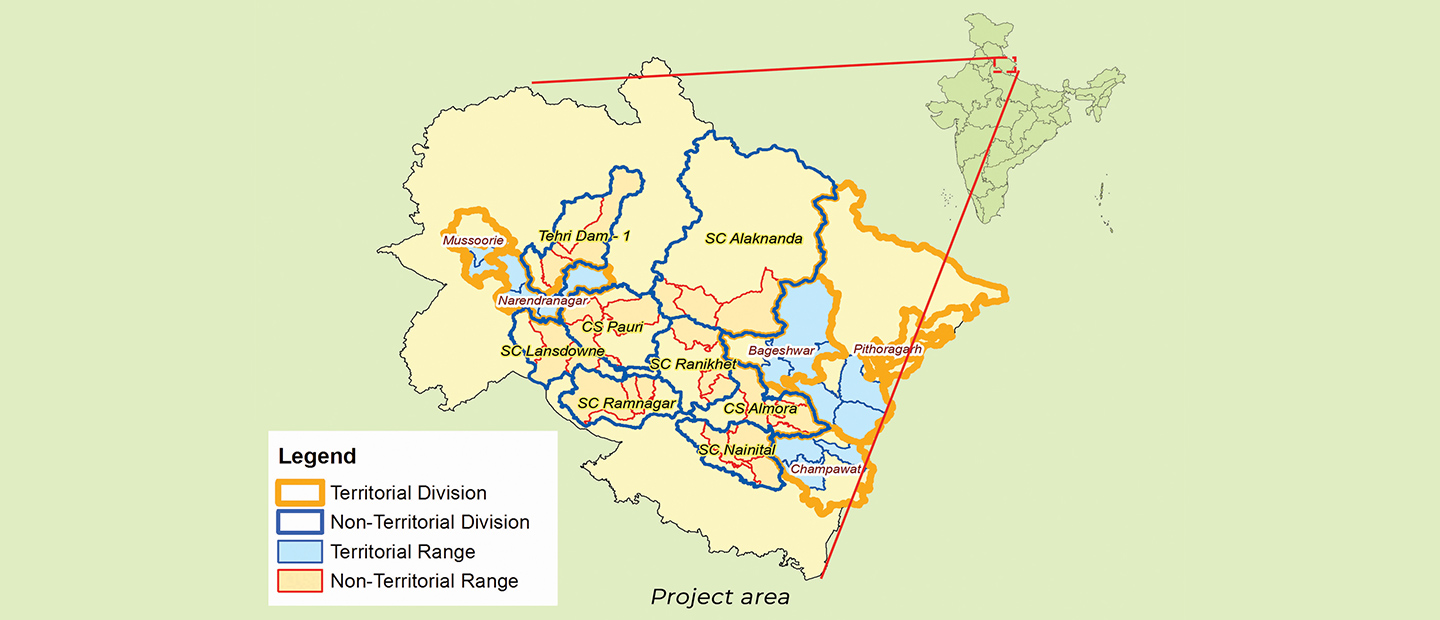
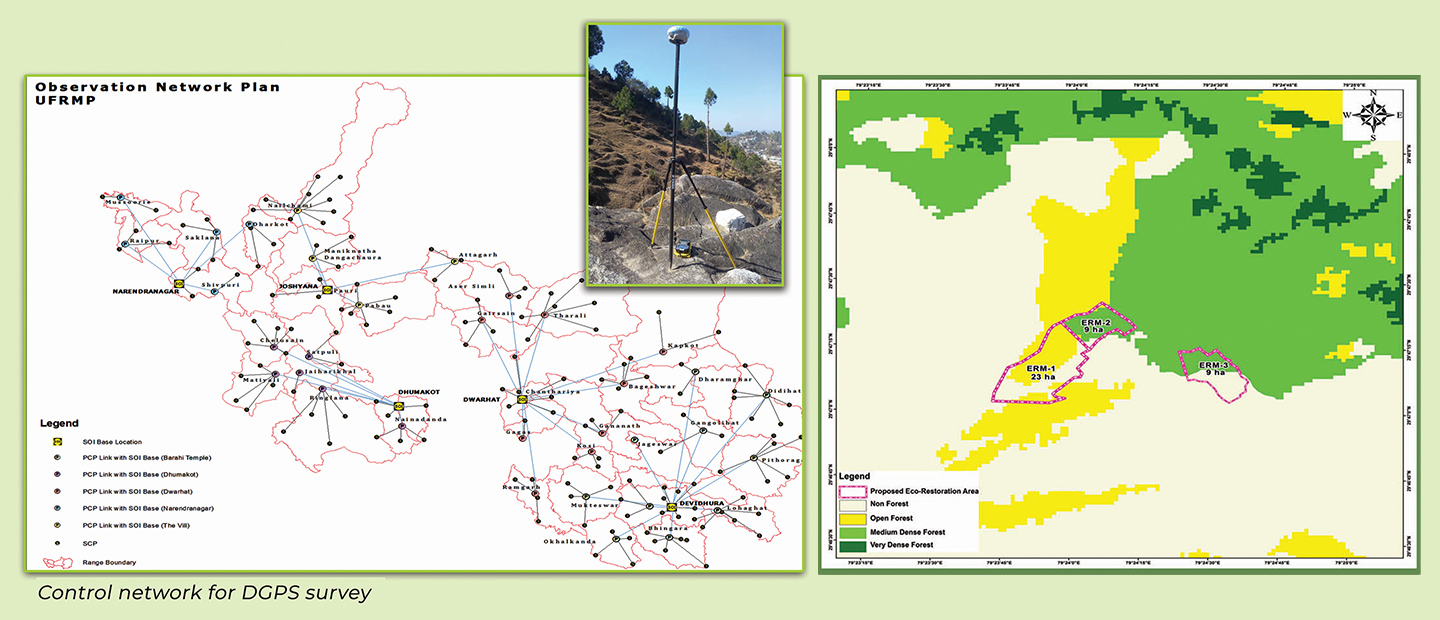
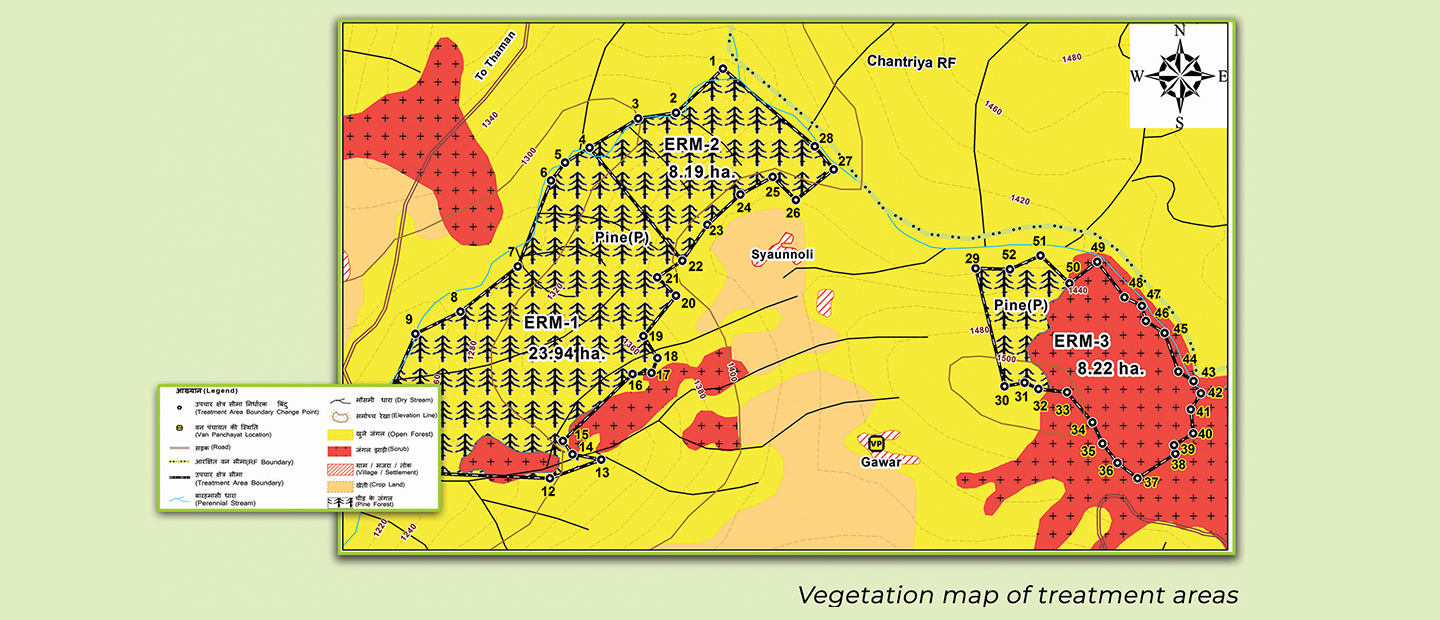
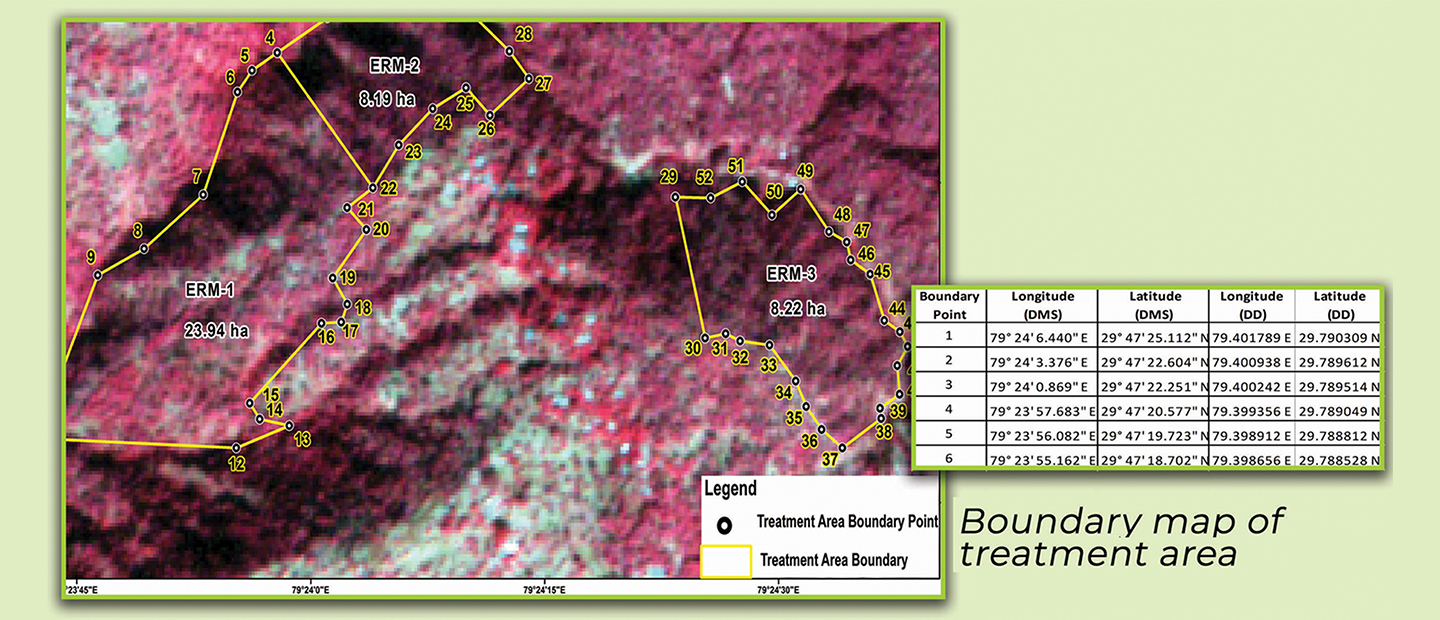
SPARC developed an integrated GIS-based Forest Resource Mapping and Monitoring Platform to support scientific micro-planning and long-term restoration of degraded forest landscapes. The solution combines high-resolution satellite imagery, GIS, digital terrain analysis, field surveys, and spatial decision-support models to identify restoration priorities at the micro-watershed and community level. A comprehensive Monitoring, Reporting and Verification (MRV) framework enables continuous tracking of restoration activities, plantation performance, ecological indicators, and field progress through interactive WebGIS dashboards, mobile applications, and standardized reporting tools. The platform provides planners with evidence-based insights for resource allocation, implementation monitoring, and adaptive forest management.
Outcome
The project established a transparent, data-driven framework for planning and monitoring forest restoration across diverse landscapes. It improved the prioritization of restoration interventions, strengthened accountability through measurable performance indicators, and enhanced coordination among forestry agencies and field teams. By enabling continuous monitoring of ecological recovery and restoration progress, the platform supports climate resilience, biodiversity conservation, sustainable watershed management, and carbon-focused landscape restoration. Its scalable architecture can be readily adapted for national restoration programs, climate finance initiatives, and natural capital management projects worldwide.