

Challenge
Rapid urbanization has resulted in the expansion of informal settlements where unclear land ownership, outdated records, and limited spatial information hinder equitable service delivery and long-term urban planning. Conventional land surveys are often labor-intensive, time-consuming, and lack the spatial accuracy required to support secure land tenure, infrastructure investment, and community redevelopment. These challenges delay policy implementation and limit opportunities for inclusive urban growth.
Solution
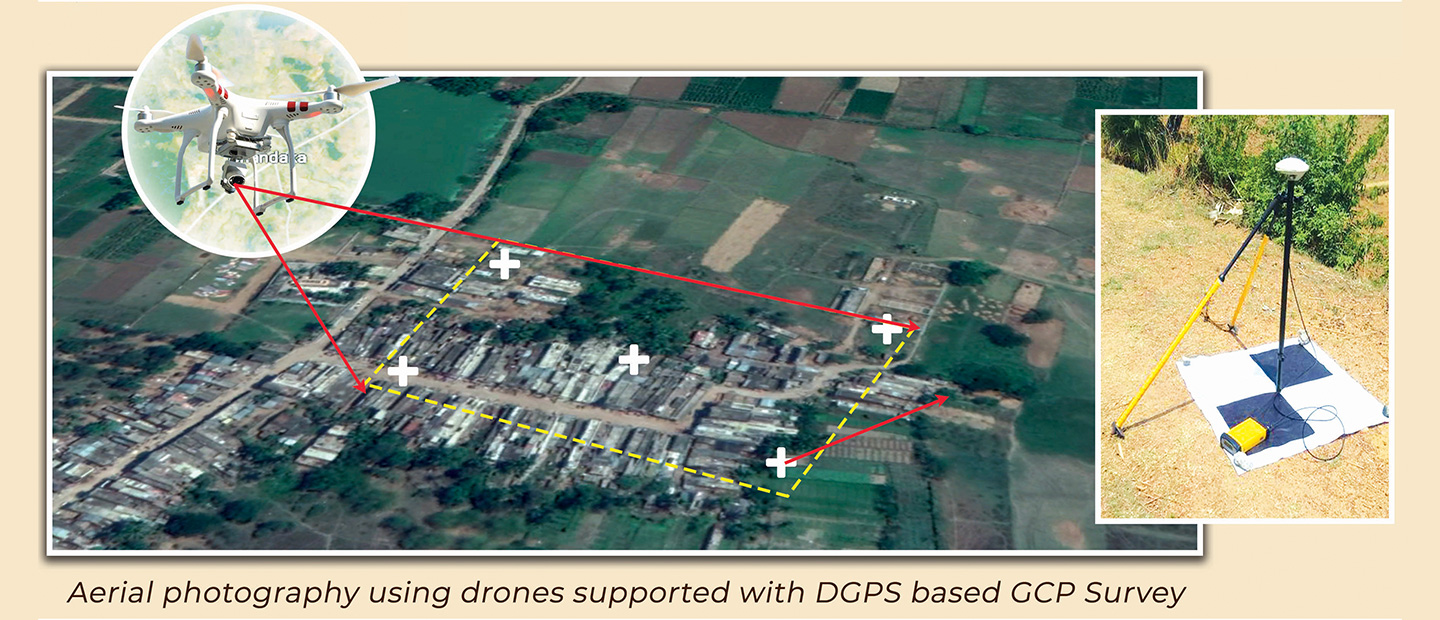
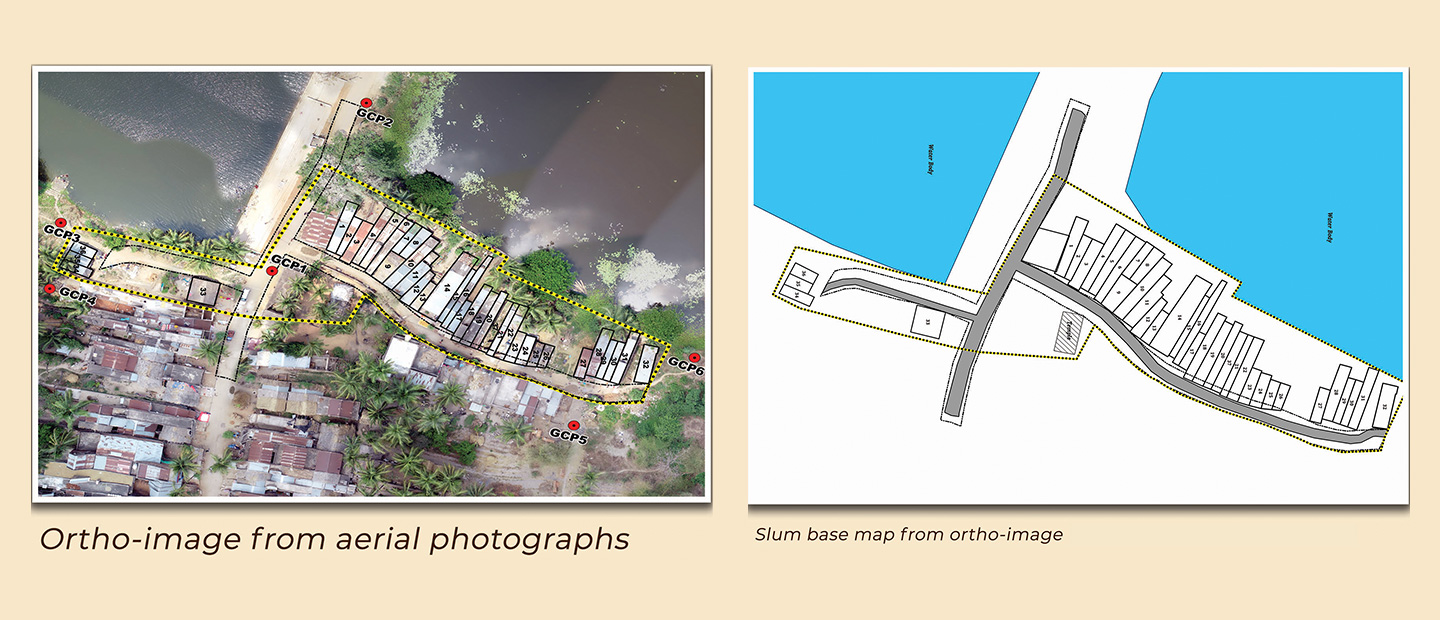
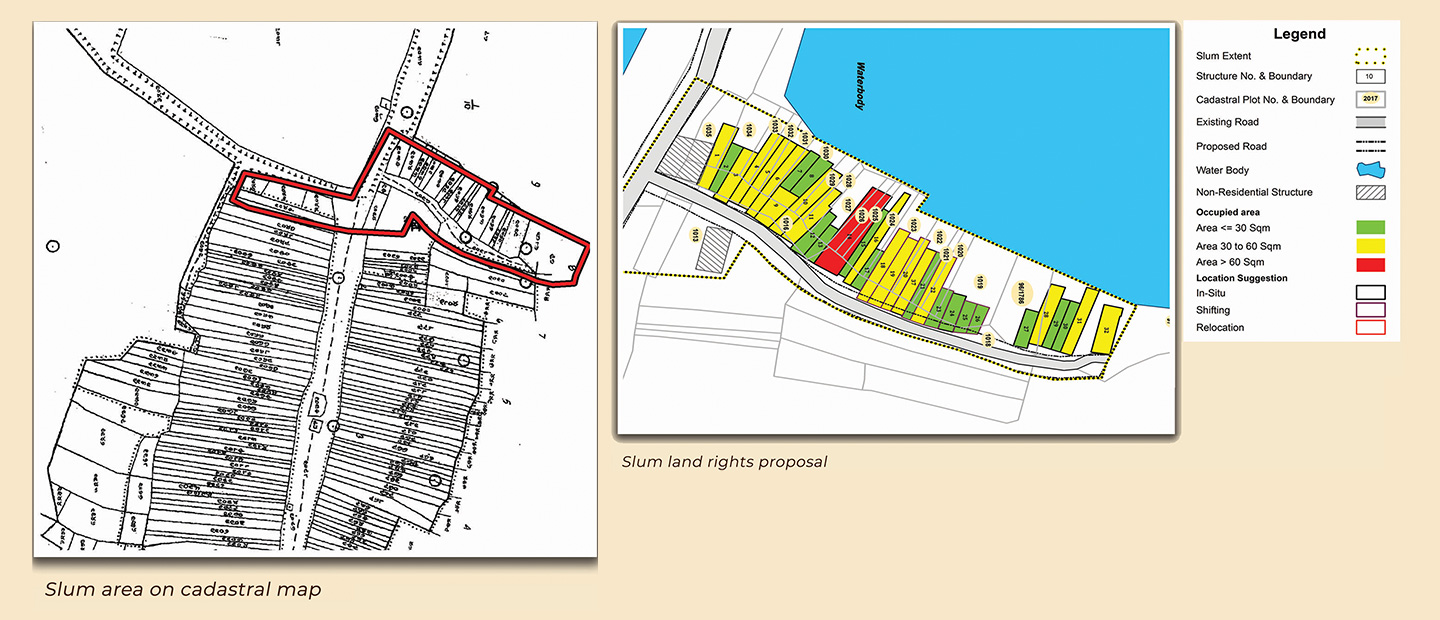
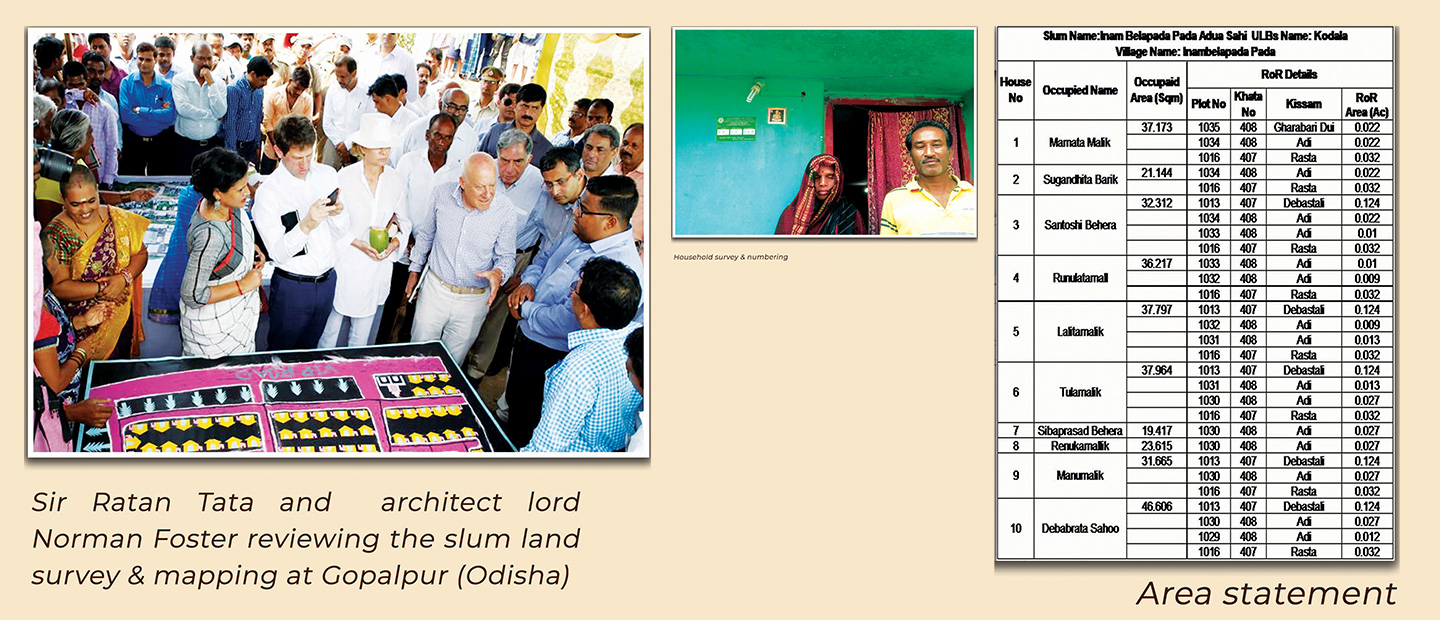
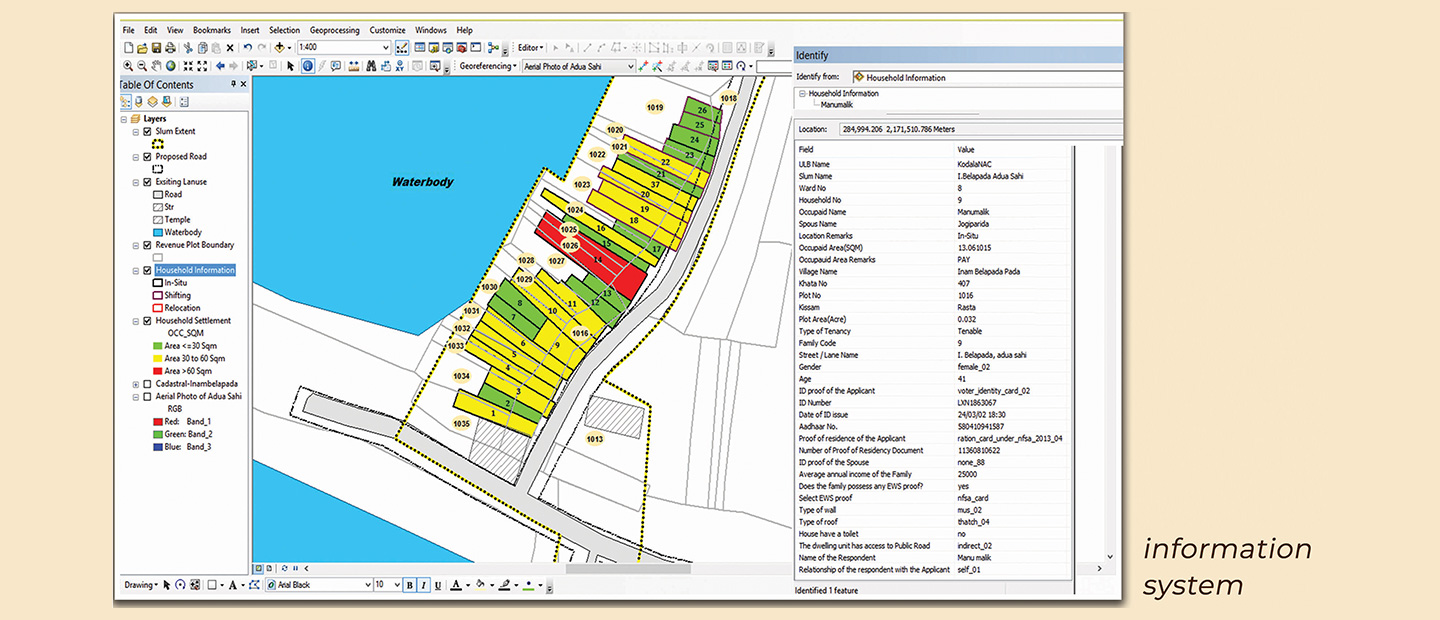
SPARC implemented an integrated GIS-based Land Information System that combines high-resolution UAV (drone) surveys, GIS, cadastral mapping, spatial analytics, and field data collection to create an accurate digital inventory of land parcels, buildings, infrastructure, and occupancy. The platform supported transparent land title assessment, evidence-based verification of occupancy rights, and comprehensive planning for the transformation of informal settlements into safe, livable neighborhoods. Interactive WebGIS dashboards enable planners and administrators to visualize land records, assess development scenarios, prioritize infrastructure investments, and manage the entire planning process within a unified digital environment.
Outcome
The solution established a trusted spatial foundation for secure land tenure, accelerated urban redevelopment planning, and improved transparency in land administration. By providing accurate geospatial information and digital decision-support tools, it enabled more efficient infrastructure planning, strengthened citizen confidence, reduced land-related disputes, and supported inclusive, sustainable urban development. The framework is readily adaptable for affordable housing programs, post-disaster reconstruction, municipal land management, and smart city initiatives worldwide.